Dental implants

A calm and predictable way to restore missing teeth. With diagnostics, clear stages, and a treatment plan—without unnecessary promises.

Implant components

An implant is a well-designed system that replaces a missing tooth and functions like a natural one.

Implant

A titanium “root” placed into the bone that becomes a stable support for the future tooth. Over time, it integrates with the bone tissue.

Abutment

The connecting piece between the implant and the crown. It helps form the right gum contour and provides a secure connection.

Crown

The visible part of the tooth. Made individually to match the shape and shade of your natural teeth and fully restores the aesthetics of your smile.

Implant components

When implants are a good option

Implants are often considered when you want to restore function and aesthetics without relying on neighboring teeth.
  • One missing tooth
    A common scenario: one implant + one crown. Adjacent teeth usually don’t need to be prepared.
  • Several missing teeth
    Options may include multiple implants or an implant-supported bridge—chosen based on your case and load.
  • Restore chewing function
    The implant brings back support and proper load distribution, which matters for comfort and nutrition.
  • Looking for a long-term solution
    With good planning and proper care, implants are one of the most predictable restorative options.

What the patient gets

We aim to make treatment clear, gentle, and predictable in outcome.
Natural appearance
The crown is selected in shape and shade to blend harmoniously with your smile.

Shape and shade matched to adjacent teeth

Proper gum line (when indicated)

Comfort when speaking and smiling

Function and load
The implant works as a support—helping you chew comfortably while maintaining balanced load.

Support without “hanging” solutions

Stability while chewing

Helps prevent overload of neighboring teeth

Preserving neighboring teeth
Often implants allow avoiding preparation of adjacent teeth (unlike a traditional bridge).

We don’t touch healthy tissues unnecessarily

A focused solution where the problem is

Possibility of staged treatment

Restoration options

We choose a plan based on the clinical situation. Below are the main scenarios to help you ориент yourself.
Single tooth
Implant + crown. The most common and straightforward scenario.
Single implant
No preparation of adjacent teethPredictableComfortable
Multiple teeth / implant-supported bridge
Two or three (or more) consecutive missing teeth.
Implant-supported bridge
Load planningTimelines depend on the caseFlexible options
Full arch rehabilitation (All-on-4/6)
No teeth—complete smile restoration.
All-on-4/6
Temporary teethTeam approachClear protocol

How implantation typically goes

This is a general “route”. The exact plan depends on the bone, bite, gums, adjacent teeth, and the overall clinical picture.
1
Diagnostics and planning
First we define indications, assess conditions, and create a clear treatment plan.

Examination and history

Assess bone, gums, bite

Plan and timeline outlook

2
Surgical stage
We place the implant under local anesthesia. We work gently and provide clear recovery recommendations.

Comfortable anesthesia

Protocol-based approach

Scheduled follow-ups

3
Healing and osseointegration
The implant integrates with the bone. During this period, hygiene and follow-ups are important.

Timelines are individual

Soft tissue monitoring

Temporary solution if needed

4
Prosthetic stage
Once the implant is stable, we fabricate and fix the final restoration and fine-tune comfort.

Choose the restoration type

Check bite and contacts

Care instructions

Safety and predictability

In implant treatment, diagnostics, load planning, and protocol-based work matter. We focus on a predictable result.
What the result depends on

We start with diagnostics: we assess bone, bite, adjacent teeth, and gum tissues. This helps choose the right strategy and avoid surprises.

We plan not only the implant placement, but also the future crown: where the load will be, how the gum line will look, and how it will fit into the bite.

We work gently and follow protocols: this reduces the risk of complications and supports healing.

Exact timelines and treatment volume are determined after diagnostics. Your doctor’s individual recommendations always take priority over general guidance.
What you’ll see at the consultation

A clear plan: what, why, and in what order

Approximate stage-by-stage timelines

Rough budget and cost options

Answers about pain, healing, care, and risks

If you have any medical conditions or take medications, please tell us during the consultation.

Frequently asked questions

Short answers to what people ask most often.
CBCT before implantation
Used as part of planning and assessing treatment conditions.
CBCT helps assess bone volume and quality in advance, the position of nerves, and anatomical features.

Accurate bone assessment

Implant placement planning

Risk reduction

Related articles

If you want to explore the topic in more detail.
How long does a dental implant last and what does it depend on
Implantation

How long does a dental implant last and what does it depend on

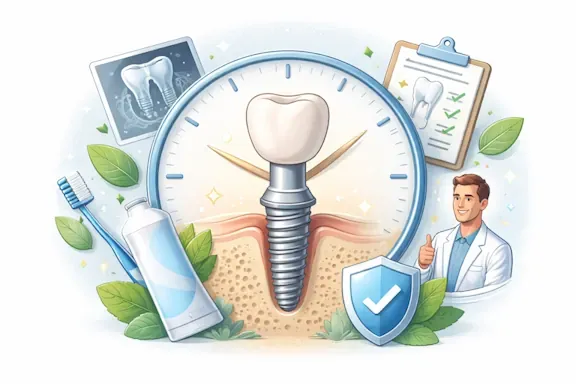
A calm and honest look at the lifespan of dental implants, risk factors, and the patient’s role.
Evgeniy Nesmashniy

Evgeniy Nesmashniy

Implant or bridge: which is better in your case and why
Implantation

Implant or bridge: which is better in your case and why

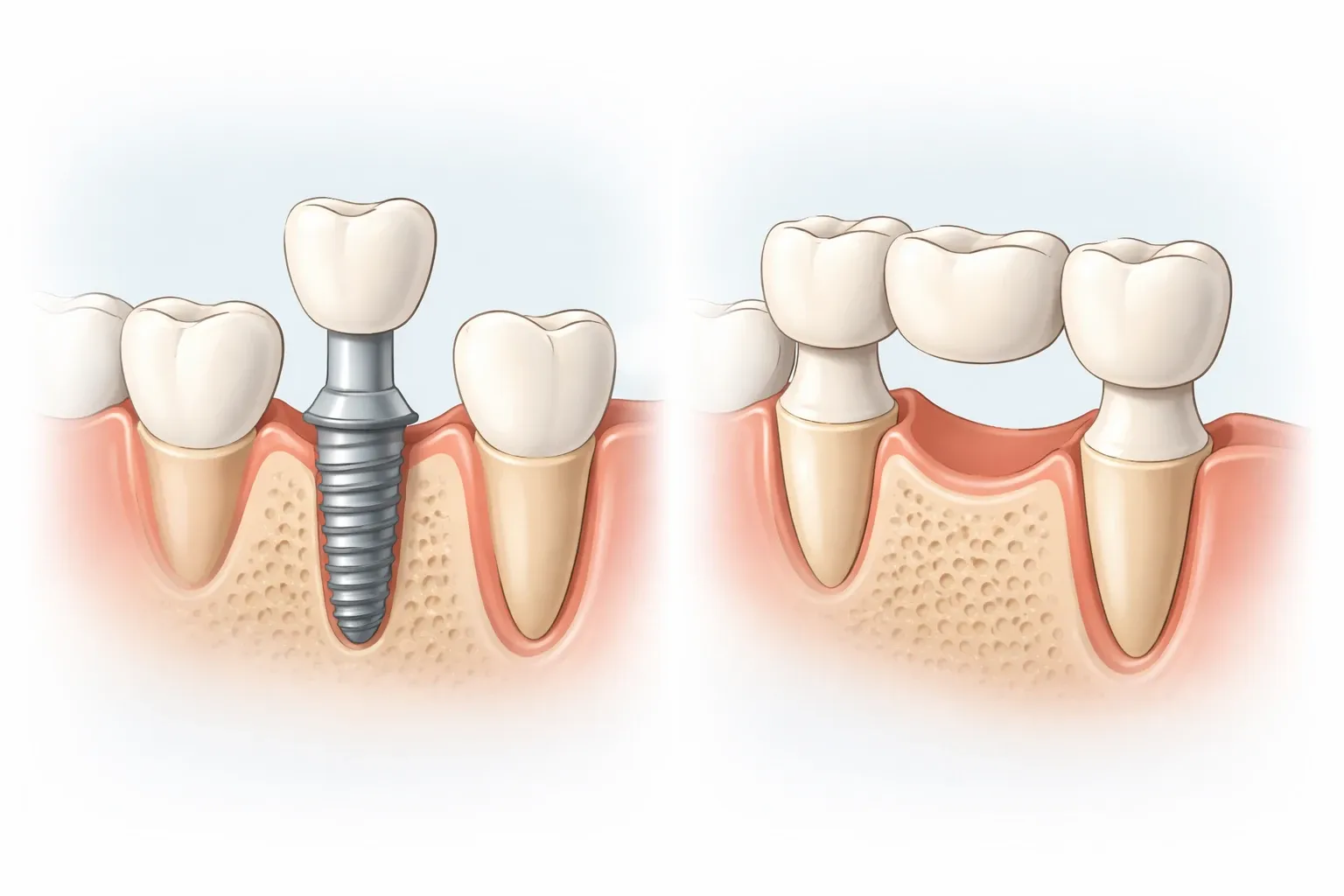
A calm, step-by-step explanation of the difference between implants and bridges — pros, cons, and real indications.
Evgeniy Nesmashniy

Evgeniy Nesmashniy

Does Getting a Dental Implant Hurt? What to Really Expect
Implantation

Does Getting a Dental Implant Hurt? What to Really Expect

Calmly and step by step — what patients usually feel during implant placement and after the procedure.
Evgeniy Nesmashniy

Evgeniy Nesmashniy

What not to do after a tooth extraction: the most common mistakes
Surgery

What not to do after a tooth extraction: the most common mistakes

A clear list of post-extraction donts, why they matter, and what to do if you have already slipped.
Nesmashniy Evgeniy

Nesmashniy Evgeniy

Wisdom tooth: does it always need to be removed?
Surgery

Wisdom tooth: does it always need to be removed?

We explain when a wisdom tooth can be left in place and when removal is truly necessary.
Nesmashniy Evgeniy

Nesmashniy Evgeniy

Does tooth extraction hurt? What to really expect from the procedure
Surgery

Does tooth extraction hurt? What to really expect from the procedure

What a patient feels during tooth extraction, how anesthesia works, what is normal and when you should contact your dentist.
Nesmashniy Evgeniy

Nesmashniy Evgeniy