
Does tooth extraction hurt? What to really expect from the procedure

Tooth extraction often sounds scary, but modern dentistry is designed to make the procedure calm and controlled.
In this article, we explain in plain language how tooth extraction is performed, what you may feel, when you should contact your dentist, and how to prepare.

Why people are afraid of tooth extraction
Most often, fear is associated with pain and the unknown.
Some people remember a negative experience in the past, while others have heard “scary stories” from friends or relatives.
Another factor is anxiety caused by sounds, pressure sensations, and the very fact of medical intervention.
This is normal: any medical procedure can be stressful, especially if you have never experienced it before.
Does tooth extraction actually hurt?
In most cases, it should not be painful.
The main sensation is pressure and movement, but not pain.
| What you may feel | Is this normal? | Why it happens |
|---|---|---|
| Pressure and force | Yes ✅ | The dentist works with bone tissue and ligaments |
| Cracking or crunching | Yes ✅ | Sounds from tissues holding the tooth |
| Sharp pain | No ❌ | Signal the dentist immediately — anesthesia will be added |
Some patients say they “feel the tooth being moved” — this is normal.
The purpose of anesthesia during extraction is to block pain, not the sensation of touch or pressure.
Important: during extraction, you may feel pressure, but you should not feel pain.
If it hurts, tell your dentist — anesthesia can be reinforced.
What you may feel during extraction
Most patients report the following sensations:
Numbness
A feeling of “freezing” in the lip, cheek, or tongue is a normal effect of anesthesia.
Pressure
Pressure from instruments is common, but it should not be painful.
Sounds and “crunching”
You may hear sounds or feel slight crunching of ligaments or bone tissue.
Pulling sensation
A pulling or loosening sensation is a natural part of the extraction process.
Vibration
Sometimes vibration is felt — this is also normal.
If it is hard for you to understand what you are feeling, just say so — your dentist will explain and adjust the approach.
How anesthesia works
Anesthesia for tooth extraction is a local injection that blocks pain signals along the nerves.
You will feel touch and pressure, but not sharp pain.
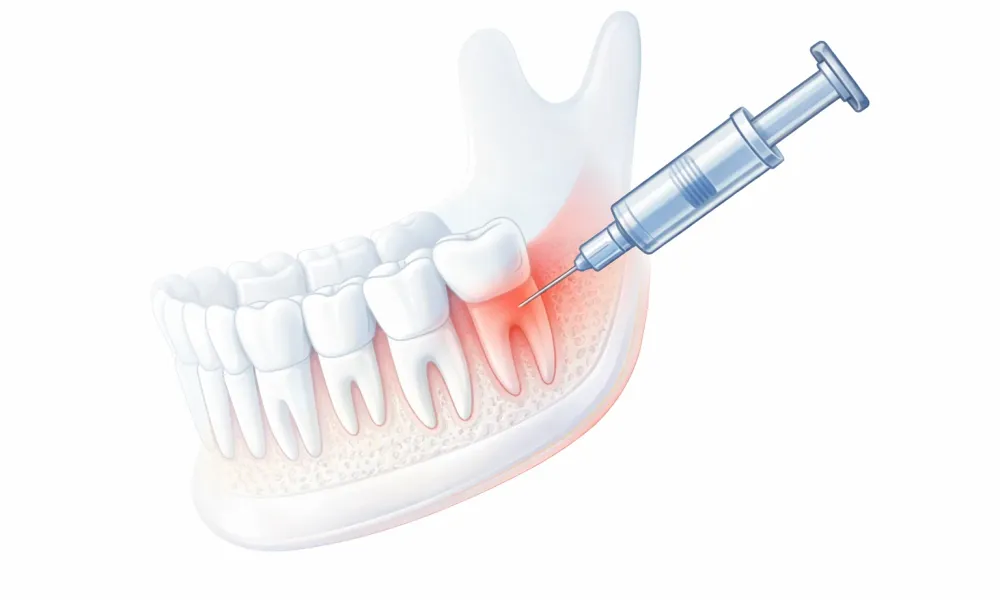
Anesthesia usually lasts long enough to complete the procedure comfortably.
If sensitivity returns earlier, inform your dentist immediately — additional anesthesia can be given.
It is important to remember: your dentist’s individual instructions always take priority over general recommendations.
In short:
- Before extraction: a light meal and a calm mindset.
- During: pressure is normal, pain is not.
- Sounds and “crunching” may occur — this is normal.
- After: mild pain and swelling are expected.
- If anything concerns you, it’s better to contact us.
What affects difficulty and sensations
Sensations may vary, and this is normal.
They depend on several factors:
- presence of inflammation and degree of swelling;
- wisdom tooth or complex root anatomy;
- extent of tooth damage and the need to section the tooth;
- individual sensitivity and anxiety level;
- accompanying medical conditions and overall health.
Even in complex cases, the dentist’s goal is to make the process as comfortable and predictable as possible.
Frequently asked questions
This can happen, but it is rare.
Tell your dentist immediately — another method or additional anesthesia will be used.
If you have a fever, severe nasal congestion, or an acute condition, it is better to postpone the appointment.
With mild symptoms, the decision is made by the dentist after examination.
Yes, a light meal 1–2 hours before the visit is usually recommended.
Exceptions apply if sedation is planned — you will receive separate instructions.
Tell your dentist before the procedure starts.
We will explain each step, give you time to adjust, and choose a comfortable pace.
What is considered normal after extraction
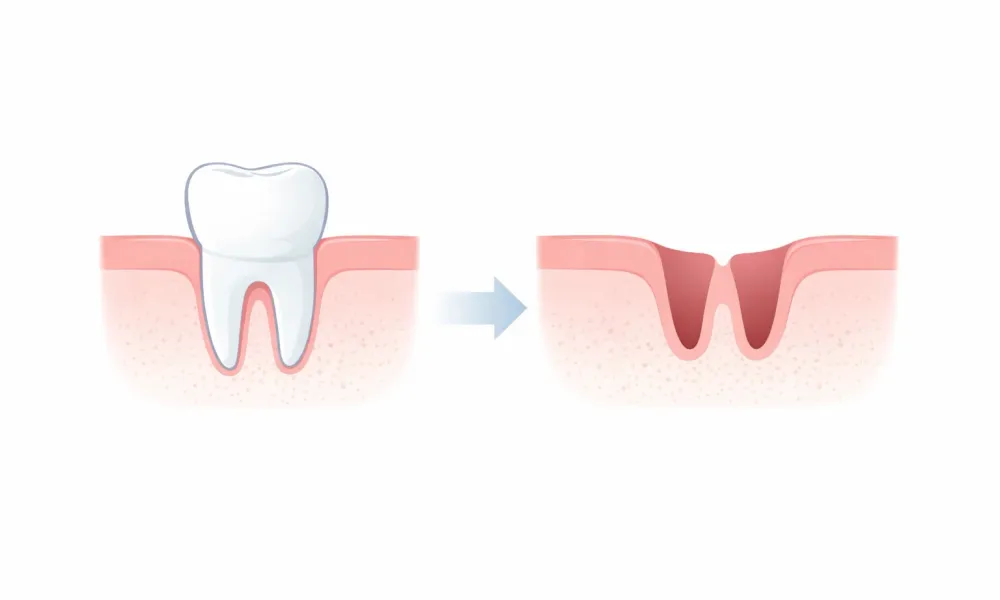
Many patients ask whether pain after extraction is normal.
Yes, mild to moderate pain and discomfort during the first few days are expected.
The following reactions are usually normal:
Mild pain
Normal for the first 1–3 days and gradually decreases.
Swelling
Usually peaks on days 2–3, then subsides.
Slight bleeding
Pink saliva or slight oozing in the first hours is acceptable.
Fatigue
Feeling tired on the day of the procedure is common.
If something goes beyond these limits, it is better to consult your dentist.
Your dentist’s individual instructions always take priority over general advice.
When you should contact your dentist urgently
- bleeding does not stop for more than 3 hours;
- body temperature rises above 38 °C;
- pain increases on days 2–3 instead of decreasing;
- pus, an unpleasant odor, or a strong bad taste appears;
- swelling rapidly increases or spreads;
- persistent numbness does not resolve. ::
How to prepare so everything goes more smoothly
A little preparation reduces stress and makes the procedure more predictable.These tips help most patients:
- eat 1–2 hours before the appointment, unless instructed otherwise;
- avoid alcohol for 24 hours before the procedure;
- inform the dentist about medications, allergies, and chronic conditions;
- bring X-rays if you have them or if they were requested;
- plan a calm day without heavy physical activity;
- reduce smoking before and after the procedure if possible;
- if you feel anxious, say so in advance — we will adjust the pace.
Conclusion
If you feel anxious, that is completely normal.Most patients go through extraction calmly once they understand what will happen.We always explain each step and carefully monitor your comfort.Would you like to ask a question or book a consultation?
Write to us or call — we will help you choose a convenient time and explain everything in detail.